
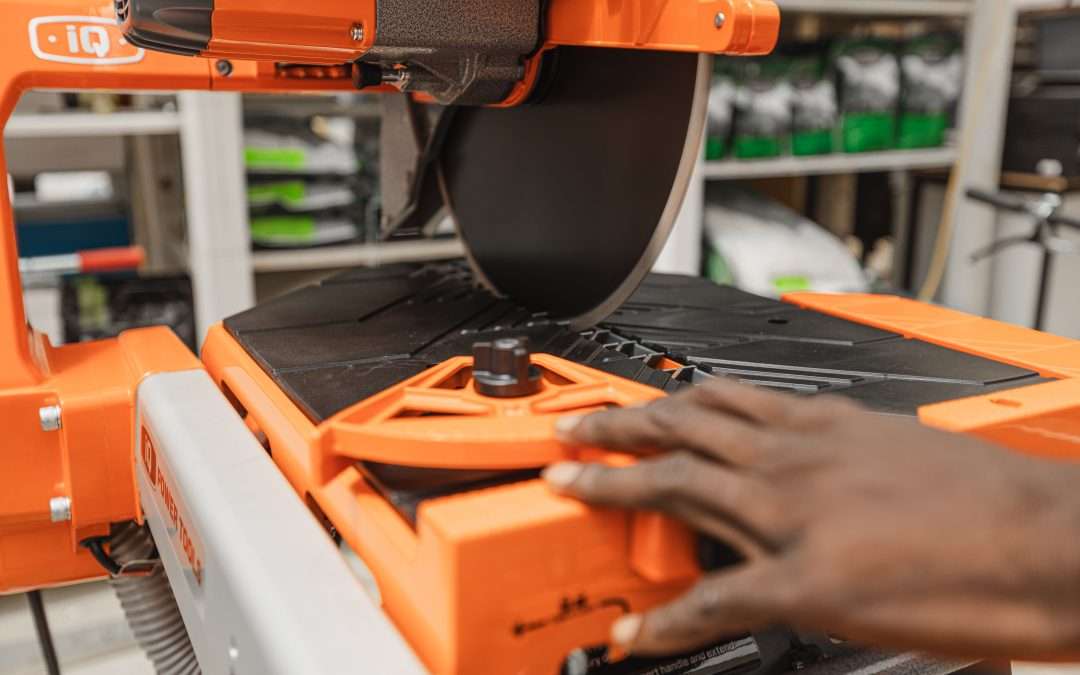
Quick answer: the right power tools depend on the job. Saws and diamond blades cut hard materials, plate compactors build a solid base, and a dust extractor keeps the work safe. Sid’s carries the full range for landscaping and hardscape work.
This is the starting point. Below, we match tools to projects and link the detailed guides for each saw, so you can go as deep as you need.
What Power Tools Do You Need for Landscaping Projects?
Think in terms of the job, not the tool. A patio tiling project, a paver driveway, and an indoor renovation each need a different core kit.
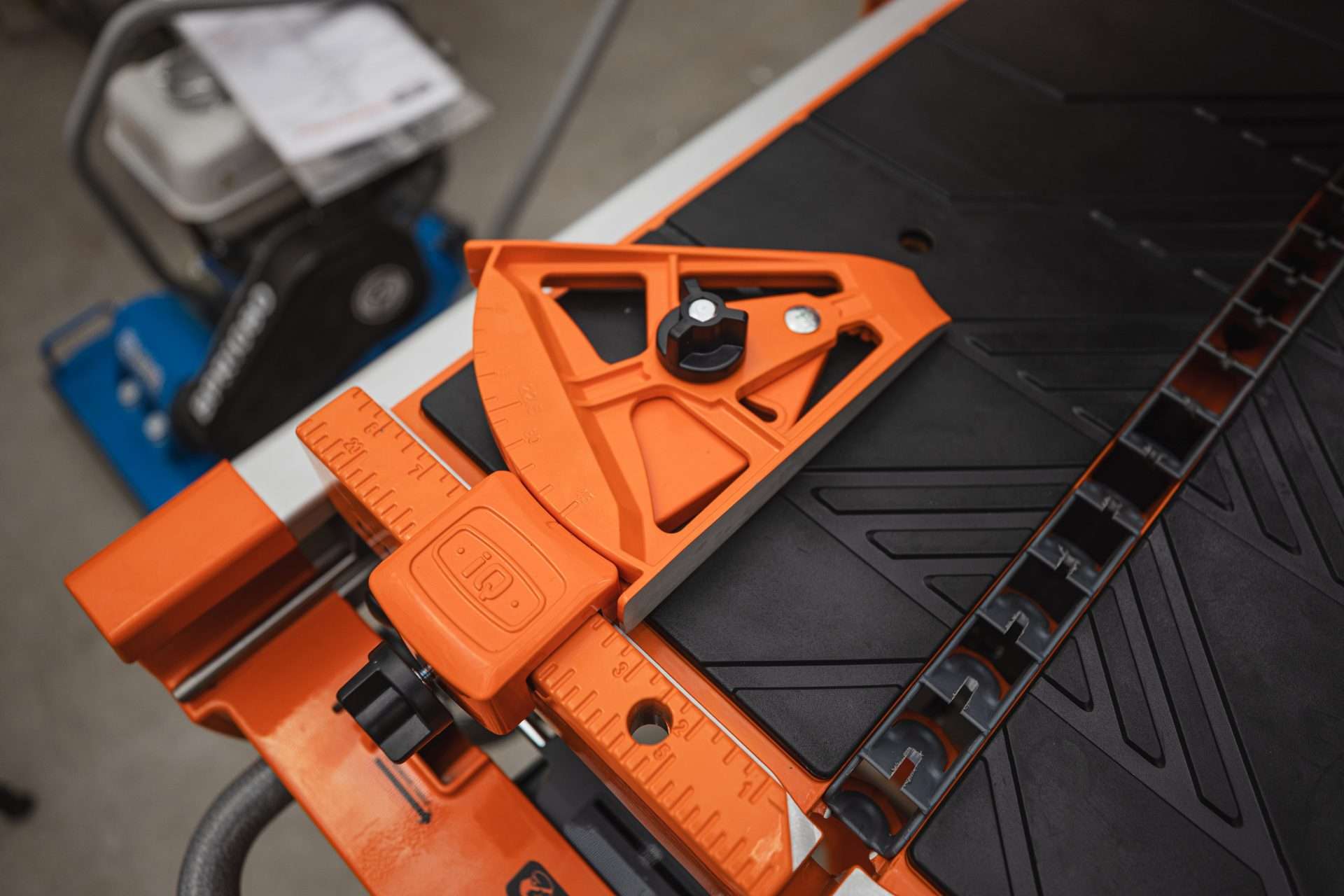
For cutting tile and stone you want a saw with a diamond blade. For laying pavers or brick you want a masonry saw and a compactor. For any dry cutting indoors, dust control comes first. The rest of this page walks through each, and the table near the end maps projects to tools at a glance.
Saws and Blades for Cutting Hard Materials
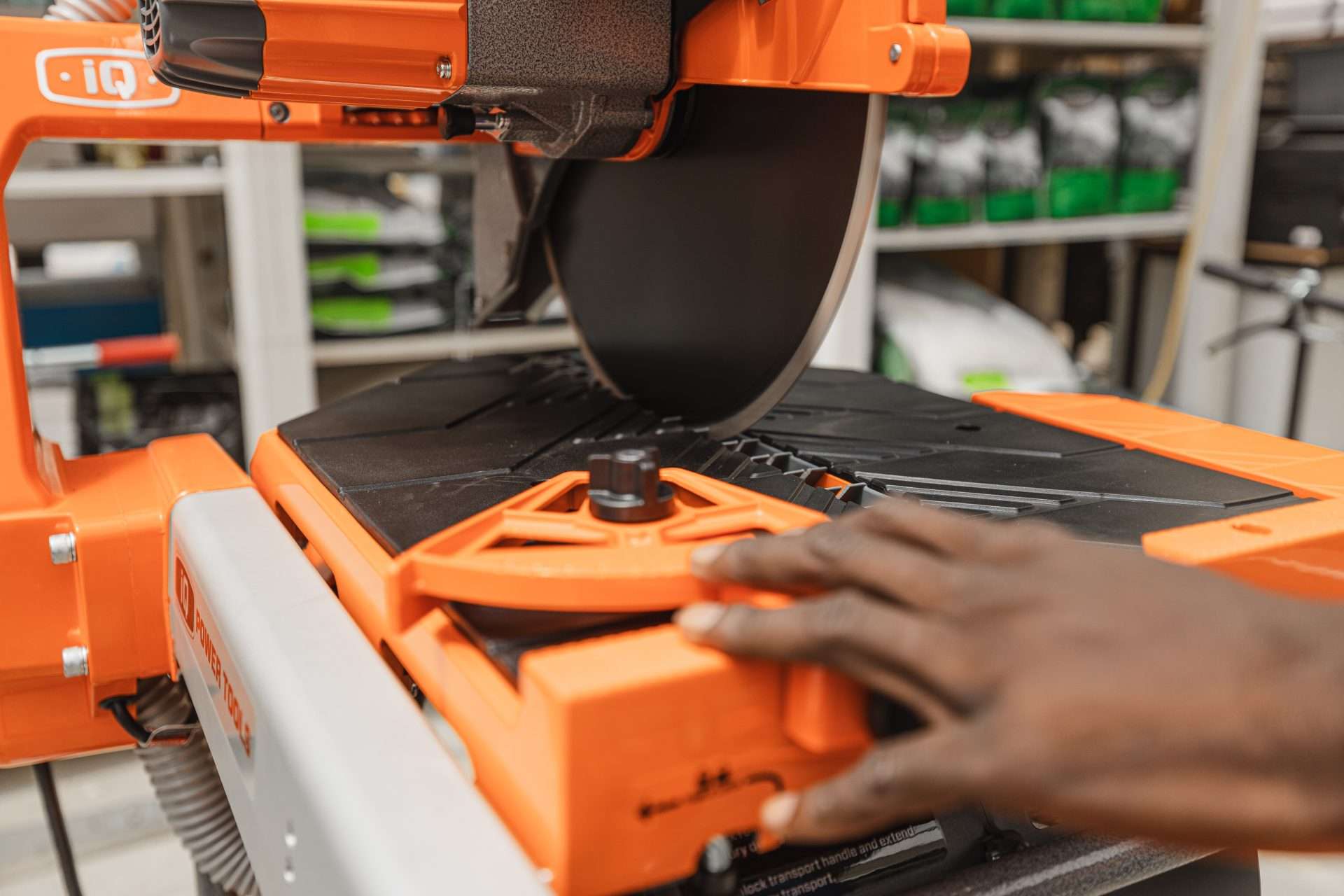
Saws are the core cutting tools, and the blade matters as much as the saw. A diamond blade cuts hard tile, stone, and concrete cleanly, while a standard blade is for timber. Match the blade to the material and the cut is faster and safer.
Sid’s carries two dry cut saws in the iQ line, and each has its own detailed guide. The iQTS244 tile saw handles ceramic, porcelain, and stone tile. The iQMS362i masonry saw cuts deeper for pavers, brick, and stone. Which one you need comes down to the material and thickness.
Dust Control When Cutting and Grinding
Cutting hard materials dry creates fine dust, and it is a real hazard. According to OSHA, cutting and grinding concrete, stone, and brick releases respirable silica, which is linked to silicosis and lung disease.
A dust extractor captures that dust at the source instead of letting it fill the air, and it keeps your tools cleaner too. Our dust collector guide covers what to look for and the iQ426 we stock.
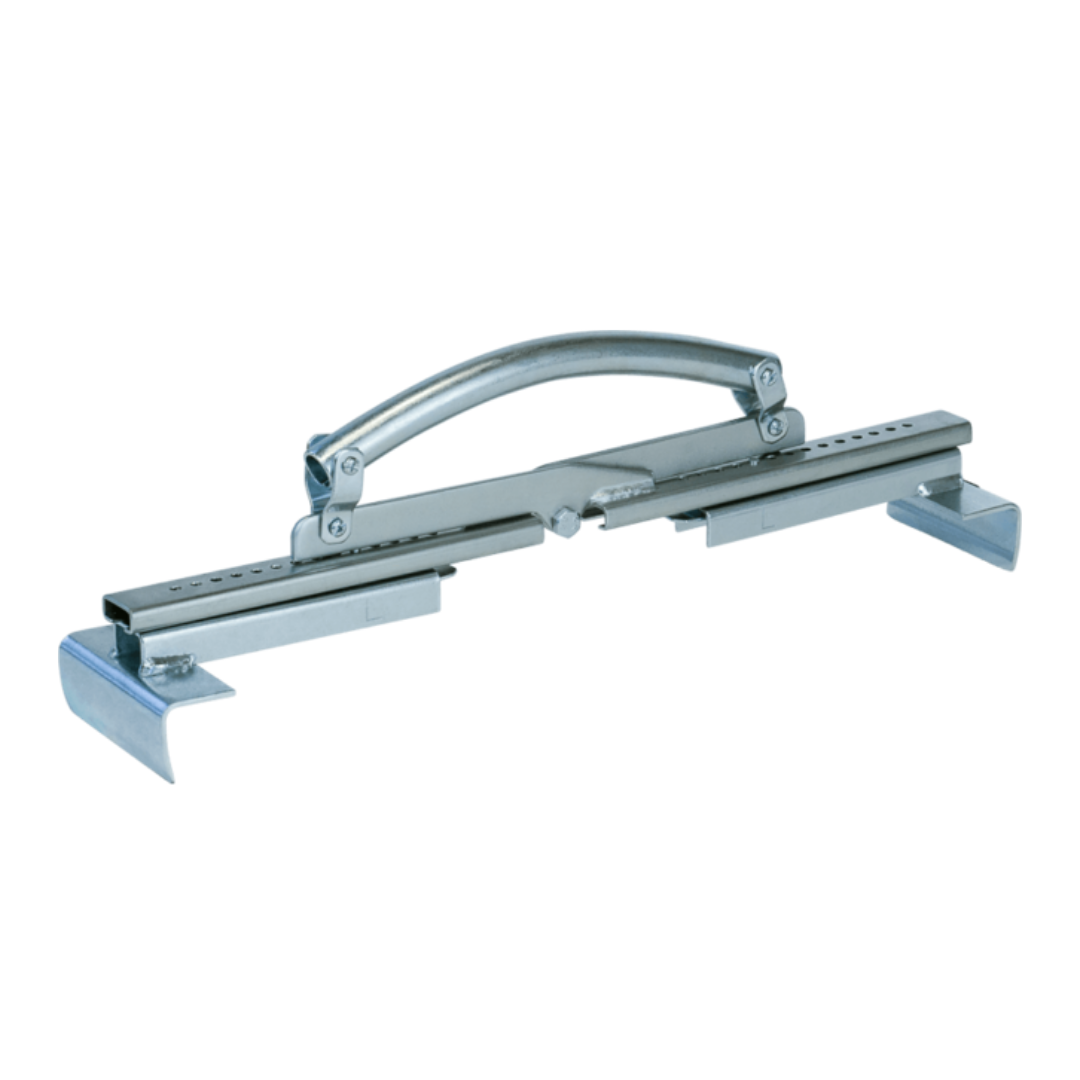
Plate Compactors for a Stable Base
A plate compactor is the tool most DIYers skip and most pros never would. It presses soil, gravel, and sand into a dense, stable base so what you build on top does not shift, sink, or heave.
Use it before laying any pavers, patio, driveway, or path. Compact the sub-base in thin layers, a few passes each, rather than one deep lift. Skipping this step is the single most common reason a paver surface goes wavy within a year or two.
For most residential hardscape work a forward-plate compactor is enough; larger or wetter jobs use a reversible plate. Either way, a compacted base is what separates a patio that lasts from one that settles.
Hand Tools and Accessories You Should Not Skip
Power tools do the heavy cutting, but the supporting gear decides the finish. A rubber mallet seats pavers without chipping them, a level keeps courses true, and the right diamond blade makes the saw worth owning.
Do not overlook the consumables either: spare blades, filters, and basic maintenance supplies keep a job moving instead of stalling for a store run. Browse the blades, filters, and maintenance range and the hand tools to round out the kit.
How to Choose Power Tools by Project
Here is the shortcut: find your project, take the core tools, and open the guide for the saw you need.
| Project | Core tools | Guide to read |
|---|---|---|
| Tiling a patio, wall, or floor | Tile saw, diamond blade, dust extractor | Tile saw guide |
| Laying pavers, brick, or stone | Masonry saw, plate compactor, mallet | Masonry saw guide |
| Cutting concrete or indoor reno | Dust extractor, masonry or tile saw | Dust collector guide |
| Grading and base prep | Plate compactor, hand tools | This page |
Sid’s stocks all of it at 6000 Ninth Line in Mississauga. Browse the power tools and construction range, or contact us with your project and we will build the tool list with you.
Power Tool FAQs
What saw do I need for tile versus pavers?
For tile, a dry cut tile saw like the iQTS244 handles ceramic, porcelain, and stone up to about an inch thick. For thicker pavers, brick, and stone, use a masonry saw like the iQMS362i, which cuts far deeper. Our saw guides cover each in detail.
Do I really need a dust extractor?
For any dry cutting of concrete, stone, or tile, yes. OSHA links the fine silica dust to serious lung disease, and a dust extractor captures it at the blade. It also keeps your workspace and your tools cleaner.
Should I use a wet saw or a dry cut saw?
Wet saws control dust with water but create slurry and need a water supply. The iQ dry cut saws use built-in dust collection instead, so they work indoors and in cold weather with no slurry. For most renovation work, dry cutting is the more practical choice.
Should I rent or buy power tools?
Buy the tools you use regularly and rent the ones you need once. If you cut or compact most weeks, owning pays off quickly. For a single weekend project, renting the right tool beats buying the wrong one. Ask us and we will tell you honestly which way makes sense.

