
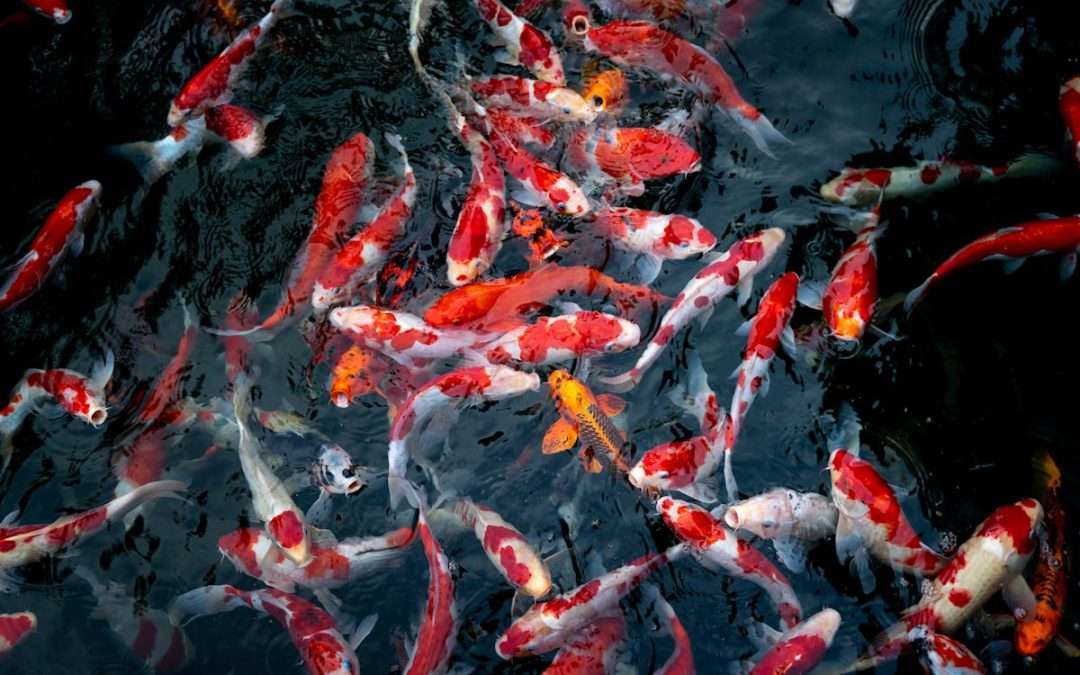
Quick answer: shut a pond down for the season in five jobs: clear debris, trim plants, wind down feeding, clean and store equipment, and net the pond with the water topped up. Start when nights turn cool in late September and finish before the first hard freeze.
Each step below takes under an hour on most backyard ponds. Done in order, they decide how much algae, sludge, and fish stress you deal with next spring.
How to Remove Leaves and Debris from a Pond
Scoop leaves and sunken debris off the bottom with a pond net before the water gets too cold to work in. Anything left behind rots under the ice all winter.
“The oxygen remaining in the water column is used up by both decaying plant and animal matter and respiration by aquatic life.”
Amy Lefringhouse, Illinois Extension
That is the whole reason fall cleanup matters: every leaf you remove now is oxygen your fish keep in February. Get the netting up before the trees drop, and the rest of this job mostly does itself.

How to Prepare Pond Plants for Winter
Cut hardy marginal pond plants back to just above the waterline so the dead growth does not fold into the water and rot. Trim hardy water lilies and lower their pots to the deepest part of the pond, below the ice line.
Tropical plants like water hyacinth and water lettuce will not survive an Ontario winter outdoors. Compost them, or overwinter favourites indoors in a bright tub of water.
How to Prepare Pond Fish for Winter
Ease feeding down as the water cools, and stop completely once it holds below 45°F (7°C). Fish digestion shuts off in cold water, so late feeding does more harm than good.
Use the last warm weeks for a health check: fish carrying wounds or parasites into winter rarely come out of it well. From here, everything about keeping them alive under the ice, from de-icers to aeration, is in our pond winterization guide.
How to Clean and Store Pond Equipment
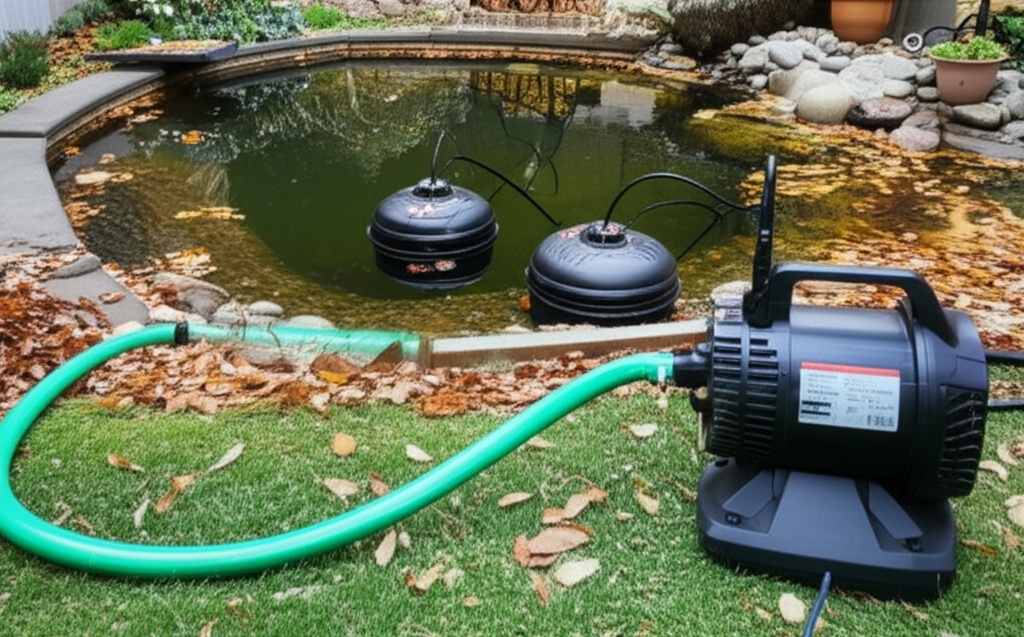
If the pond will freeze, remove the pump, filter, and UV clarifier before ice forms. Rinse filter media in a bucket of pond water rather than tap water, so the helpful bacteria are not killed by chlorine.
Store the pump indoors in a bucket of water to keep its seals from drying out. Drain the UV clarifier completely, since trapped water cracks the quartz sleeve when it freezes. If you are unsure whether your pump should run through winter at all, our pond pump guide covers the decision. If an aerator will handle the winter gas exchange instead, our pond aeration guide walks through the options.
Pond Water Levels and Netting Before Winter
Top the pond up before you cover it, and keep an eye on the level through fall. Evaporation does not stop just because the water is cold.
“Water levels should not be allowed to drop significantly over the winter months in order to maintain a healthy habitat for the plants and wildlife living in the pond.”
Lynnette Swanson, Laurie Fox, and colleagues, Virginia Cooperative Extension
Stretch the net tight enough that it does not sag into the water under wet leaves, and pin the edges. A tight net also keeps herons and raccoons away from fish that are slow and easy to catch in cold water.
Fall Pond Maintenance Schedule
Spread the work across a few weekends instead of one cold Saturday. This is the order we recommend at the counter.
| When | What to do |
|---|---|
| Late September | Install pond netting, stock up on supplies |
| Early October | Trim hardy plants, move tropicals indoors |
| Mid October | Full debris cleanout, start cold water bacteria |
| Late October | Wind feeding down as water cools, fish health check |
| Early November | Pull and store equipment, install de-icer and aerator |
| After first freeze | Weekly check that the breathing hole stays open |
Where to Buy Fall Pond Supplies in Mississauga
Sid’s carries everything on this page: pond netting, cold water bacteria, de-icers, and aerators. Browse pond supplies online, visit us at 6000 Ninth Line in Mississauga, or contact us with your pond size and we will pull the kit together.
End of Season Pond Maintenance FAQs
When should I start fall pond maintenance?
Start in late September with netting, before the leaves come down. Work through plants, cleanout, and feeding changes across October, and have equipment stored and the de-icer running before the first hard freeze, usually mid November in the GTA.
Should I do a full water change in the fall?
No. A full change stresses fish and wipes out the beneficial bacteria your pond needs. If the water is poor, change 20 to 30 percent and top up with dechlorinated water. Save major resets for spring.
What do I do with tropical pond plants in winter?
Bring them indoors before frost. Floaters like water hyacinth overwinter in a bright tub of water, though many owners simply compost them and buy fresh in spring. Hardy lilies stay in the pond, lowered below the ice line.
Should I clean the filter before storing it?
Yes, but rinse the media in pond water, never tap water, so chlorine does not kill the beneficial bacteria living in it. Let the housing dry, then store everything indoors. A clean spring start begins with a clean fall shutdown.

